


Offers to Make Amends Under the Uniform Defamation Acts
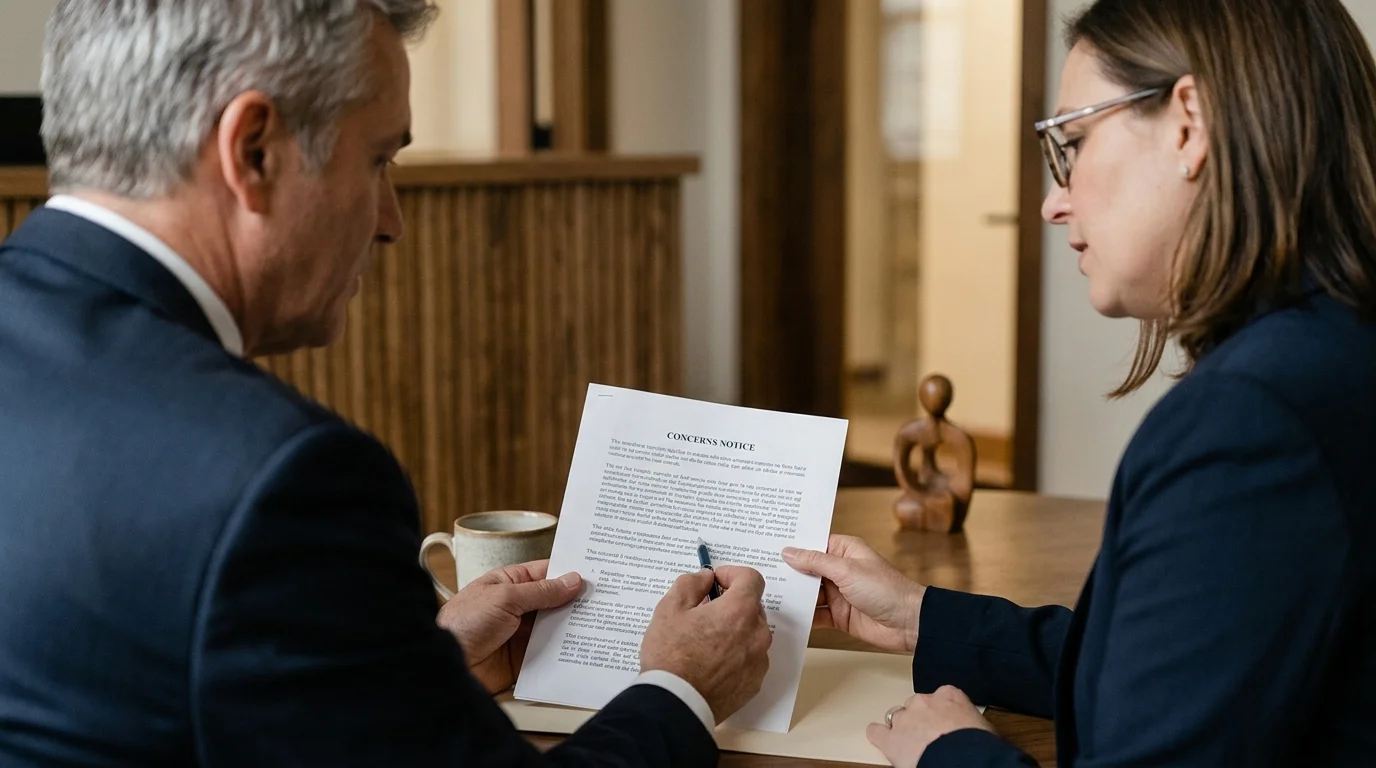
If you have received a concerns notice and are deciding how to respond, an offer to make amends is often the first option a solicitor experienced in defamation matters will consider. It is a statutory instrument, not an ordinary settlement letter. Drafted well, it can resolve a matter quickly and improve your position if it does not. Drafted poorly, the costs and defence consequences can turn against you. What follows is general information across Australian jurisdictions, not legal advice on your matter.
What section 15 requires
The uniform Defamation Acts, including the Defamation Act 2005 in New South Wales and Victoria, set out the elements of a valid offer. In most Australian states and territories, an offer to make amends must be:
- in writing, and expressed to be an offer to make amends under the relevant section;
- open for acceptance for at least 28 days from the day it is made;
- limited to the defamatory imputations it relates to;
- accompanied by a reasonable offer to correct the material or clarify it, and, where the matter is digital, an offer to remove or block access to it; and
- accompanied by an offer to pay the claimant's reasonable expenses incurred before the offer was made.
An offer may also include an apology and a sum of compensation, though neither is mandatory.
An apology is not an admission of liability
Defendants often worry that offering an apology looks like an admission. Section 20 addresses that concern directly. In most jurisdictions, an apology made as part of an offer is not an admission of liability, and evidence of the apology is not admissible in the proceedings. The wording of an apology often benefits from careful drafting, because a well-framed apology can improve the reasonableness of the offer without conceding the meaning complained of.
Section 18: the defence if the offer is refused
If a defendant makes an offer as soon as practicable after becoming aware of the matter, the offer is reasonable, and the claimant rejects it, section 18 can give the defendant a complete defence. The defence turns on the quality of the offer. Offers that are late, incomplete or conditional on terms outside the statutory framework are less likely to attract it.
Limiting the offer to particular imputations
An offer does not need to cover everything complained of. It can be limited to one or more imputations. That is often useful where some pleaded meanings can be addressed and others cannot, and it avoids conceding a broader position than the matter requires.
Withdrawal and renewal
An offer may be withdrawn before it is accepted. After a withdrawal, a further offer can be made. Timing should be planned from the start, because the date of the offer affects both the defence and any later costs argument.
Offers compared with Calderbank letters and firm denials
A statutory offer to make amends differs from a Calderbank offer, which is a without prejudice settlement proposal that carries costs consequences but no statutory defence. A firm denial, supported by a serious harm challenge or a defence such as truth, honest opinion or qualified privilege, is sometimes the stronger path. In many matters the approaches are used together. Section 40 gives the court power to award indemnity costs against a claimant who unreasonably fails to accept a reasonable offer.
State and territory differences
The 2021 reforms introduced the concerns notice requirement and the serious harm element in most jurisdictions. Every state and territory except Western Australia has adopted the 2021 reforms; the Northern Territory did so in August 2025. Western Australia has not, so it has no serious harm element and no concerns notice requirement, and the position there differs. A solicitor can advise on the position in your state or territory.
If you need a solicitor experienced in defamation matters to draft an offer, or to advise on whether to respond to a concerns notice with an offer at all, the next step is a confidential discussion.